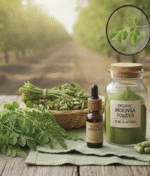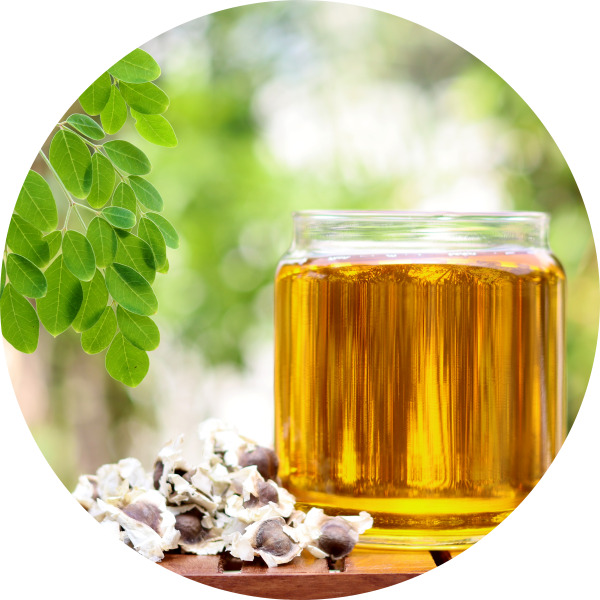


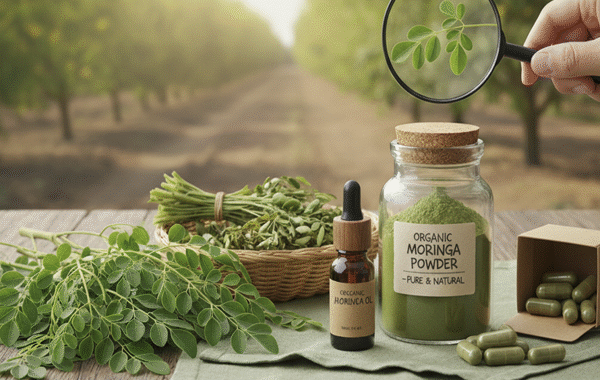
Moringa oleifera, also known as the “Miracle Tree” or “Drumstick Tree,” has become one of the most sought-after natural ingredients in recent years. Its leaves, seeds, and oil are widely used in nutraceuticals, dietary supplements, food & beverages, cosmetics, and even pharmaceuticals.
Global demand for Moringa is increasing steadily as consumers look for clean-label, plant-based, and nutrient-rich alternatives. According to market studies, the Moringa products market is expected to grow at over 8–10% annually in the next decade, especially in the USA, Europe, the Middle East, South Korea, and Australia.
But here’s the challenge: not all Moringa is created equal. Buyers often face issues such as inconsistent quality, pesticide contamination, poor packaging, or unreliable suppliers. That’s why sourcing high-quality organic Moringa is not just about price — it’s about trust, certifications, and long-term reliability.
If you are a buyer, distributor, or brand looking to import Moringa products, here’s a comprehensive guide to ensure you source the best.
✅ 1. Certifications: The First Proof of Quality
When sourcing Moringa, the very first step is to check whether the supplier has the required certifications. Certifications not only prove quality but also ensure that products will clear customs smoothly in your country.
Look for:
- Organic Certifications → USDA Organic, EU Organic, India Organic (NPOP)
- Food Safety Standards → ISO 22000, HACCP, GMP
- Export Quality Proof → APEDA (India), SGS, Intertek, Eurofins testing reports
📌 Pro Tip: Always request a Certificate of Analysis (COA) for every batch. It should confirm the absence of heavy metals, pesticides, and microbial contamination. This builds confidence in the supplier’s integrity.
✅ 2. The Importance of Origin: Why Indian Moringa Leads
Moringa grows in tropical and subtropical climates, but India is globally recognized as the leading producer and exporter. Tamil Nadu and southern states, with their fertile soil and hot climate, produce some of the world’s most nutrient-rich Moringa leaves and seeds.
When choosing your supplier, ask:
- Where is the farm located?
- Is it single-origin or sourced from multiple farms?
- Are cultivation methods organic and sustainable?
💡 Why it matters: Single-origin, well-managed farms ensure consistency in taste, aroma, and nutrient content — critical for food and cosmetic applications.
✅ 3. Understanding the Right Form of Moringa for Your Business
Not all buyers need the same type of Moringa. The product form should match your end-use industry.
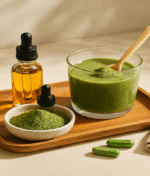
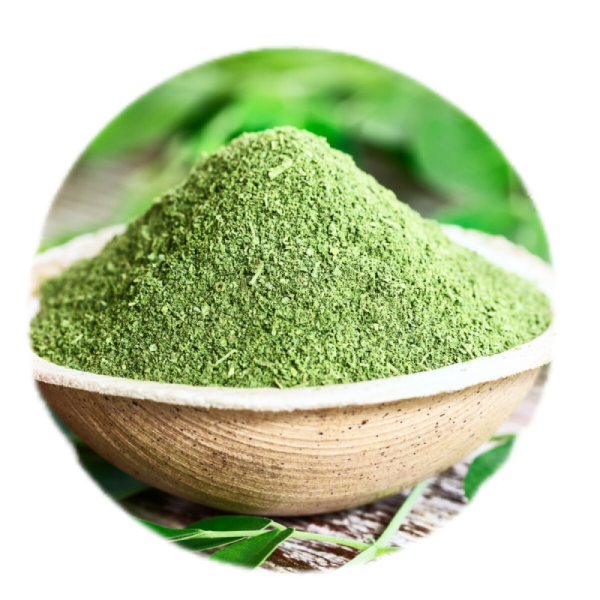
- Moringa Powder → Popular in health supplements, protein blends, teas, capsules, bakery items, and energy bars.
- Moringa Oil (Cold-Pressed) → Highly valued in natural skincare, anti-aging creams, shampoos, and massage oils due to its antioxidant and moisturizing properties.
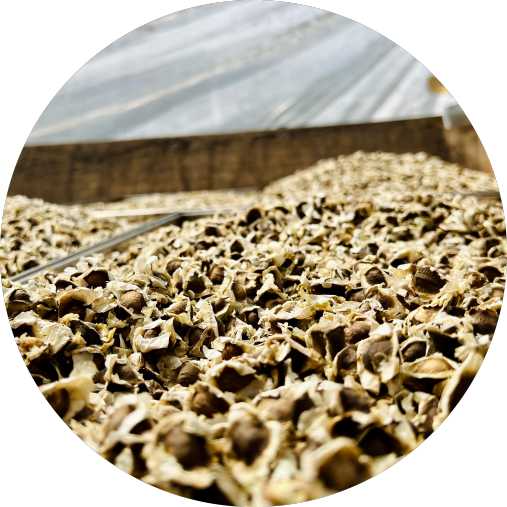
- Moringa Seeds → Used for oil extraction and water purification.
- Dried Moringa Leaves → Sold as herbal tea or raw material for herbal infusions.
📌 Pro Tip: Before sourcing, define your end customer’s needs. If your business is in cosmetics, cold-pressed oil is ideal. If you’re in nutraceuticals, powder with certified nutritional values works best.
✅ 4. Processing Standards: Nutrient Retention is Key
Moringa is extremely nutrient-dense, but careless processing can destroy its natural goodness. A professional exporter ensures:
- Leaves are shade-dried or low-temperature dried (not sun-dried, which reduces vitamin content).
- Powder is fine-milled and tested for uniformity.
- Oil is extracted via cold-pressing, which retains antioxidants like Vitamin E and Oleic acid.
- No additives or fillers are mixed during production.
Always ask your supplier for a processing overview and, if possible, a factory audit (even virtual).
✅ 5. Packaging & Shelf Life: Protecting the Product
Packaging is often overlooked, but for exports, it makes a huge difference. Poor packaging can lead to moisture absorption, oxidation, or spoilage during transit.
Look for:
- Food-grade packaging materials (aluminum pouches, HDPE drums, vacuum-sealed bags).
- Moisture-proof and air-tight containers.
- Batch numbers, manufacturing & expiry dates, certification logos.
📌 Pro Tip: Moringa powder typically has a shelf life of 18–24 months if stored properly. Moringa oil can last up to 2 years in dark, sealed bottles.
✅ 6. Logistics & Supply Chain Reliability
Even if you find a high-quality product, your supply chain can make or break the deal. Reliable exporters usually ship from major Indian ports like Chennai or Tuticorin, offering timely delivery and proper export documentation.
Ask your supplier:
- Do they handle export documentation (Invoice, Packing List, Certificate of Origin, Phytosanitary Certificate)?
- Which shipping partners do they work with?
- Can they provide both small trial shipments and large bulk orders?
A strong logistics partner ensures you don’t face delays, penalties, or spoilage during transit.
✅ 7. Sustainability & Ethical Sourcing: Why Buyers Care
Global consumers today prefer eco-friendly and ethically sourced ingredients. Moringa farming is naturally sustainable — it grows in dry climates, needs little water, and improves soil fertility.
Buyers who choose suppliers with sustainable farming practices gain an edge in branding and marketing. Ethical sourcing also builds long-term trust.
📌 Pro Tip: Highlight sustainability on your packaging if you are a brand. It resonates strongly with conscious consumers.
✅ 8. Building Long-Term Partnerships vs. One-Time Deals
Many buyers make the mistake of chasing the lowest price. But in the long run, consistency of quality and supply is more valuable. A trustworthy supplier will:
- Maintain uniform standards for every batch.
- Offer competitive pricing without compromising quality.
- Provide full transparency on testing and certification.
- Be open to scaling supply as your demand grows.
A reliable partnership is especially critical for industries like cosmetics and nutraceuticals, where brand reputation depends heavily on raw material quality.
🌍 Final Thoughts
The global demand for organic Moringa powder and oil is only going to increase. Buyers who secure reliable, high-quality suppliers today will be ahead of the competition tomorrow.
The key is to look beyond price and focus on certifications, farming practices, processing methods, packaging, and supply chain reliability.
At Priyam Exports, we specialize in supplying 100% organic Moringa powder and cold-pressed Moringa oil directly from carefully cultivated farms in Tamil Nadu, India. Every batch is tested, certified, and packaged to meet international export standards.
📩 If you’re a distributor, importer, or brand looking to source premium Moringa, connect with Priyam Exports today. Let’s build a partnership that delivers consistency, quality, and growth.
Would you like me to now add SEO keywords (like “Moringa powder supplier India,” “organic Moringa oil exporter,” “bulk Moringa powder for USA buyers”) into this blog so it can rank well on Google for international buyers?